
高科概况
人才队伍
学术活动
科学研究
科研成果
学生培养
服务指南
搜索
LEAP Lab | Research

Lin Earth and Planetary Laboratory

LEAP Lab investigates the fundamental processes governing planetary interiors through high pressure–temperature experiments. The research focuses on the evolution of terrestrial planets (Earth, Moon, Mars, and Mercury), the cycling and effects of deep volatiles, and the redox-controlled behavior of materials under extreme conditions.

Planetary ScienceVolatilesExperimental Petrology
LEAP Lab title poster

Research Focus

01

Early Magma Ocean Evolution

Investigates the crystallization, differentiation, and redox evolution of early magma oceans on terrestrial planets (Earth, Moon, Mars, Mercury), with emphasis on phase equilibria, melt evolution, and the formation of primary crust and mantle structure.

02

Volatile Cycling

Quantifies the storage, transport, and release of deep volatiles (e.g., H, C, O) under extreme conditions, focusing on redox-controlled processes and their role in linking planetary interiors to surface environments and atmospheres.

03

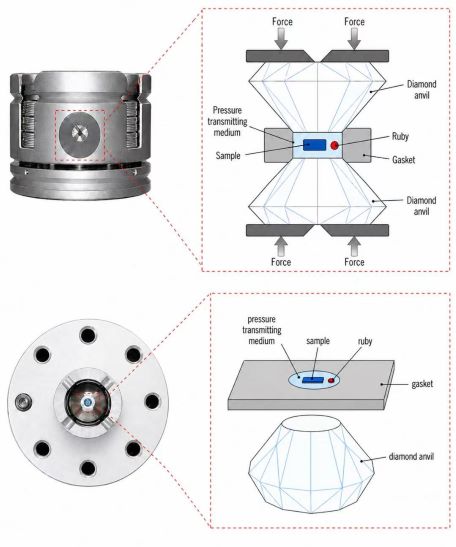
High-Pressure Techniques

Develops and applies advanced high pressure–temperature experimental approaches, coupled with in situ characterization and modeling, to determine material properties, phase relations, and reaction mechanisms at planetary interior conditions.

Laboratory Equipment

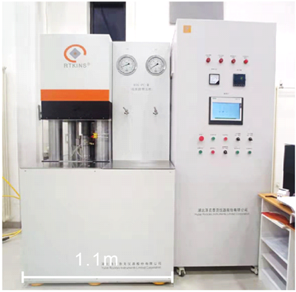
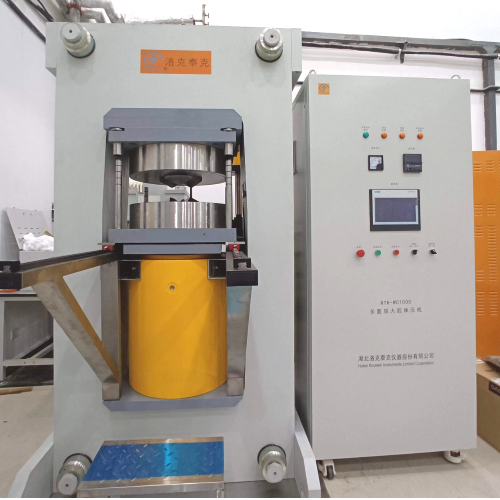
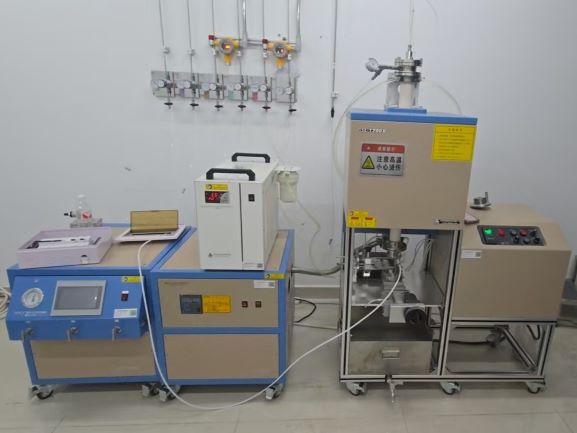
Gas-mixing furnace

Gas-mixing furnace

Designed for high-temperature experiments under controlled oxygen fugacity, this furnace supports studies of melting, crystallization, and redox-controlled processes. It is an important platform for investigating magmatism on rocky planets and the effects of oxygen fugacity.

• Main function:High-temperature experiments under controlled oxygen fugacity

• Research use:Melting behavior, crystallization sequences, oxygen-fugacity effects

• Temperature range:25–1700 °C
Research Highlights

Reactive formation of magnesiowüstite at the lunar core-mantle boundary
Planetary Science

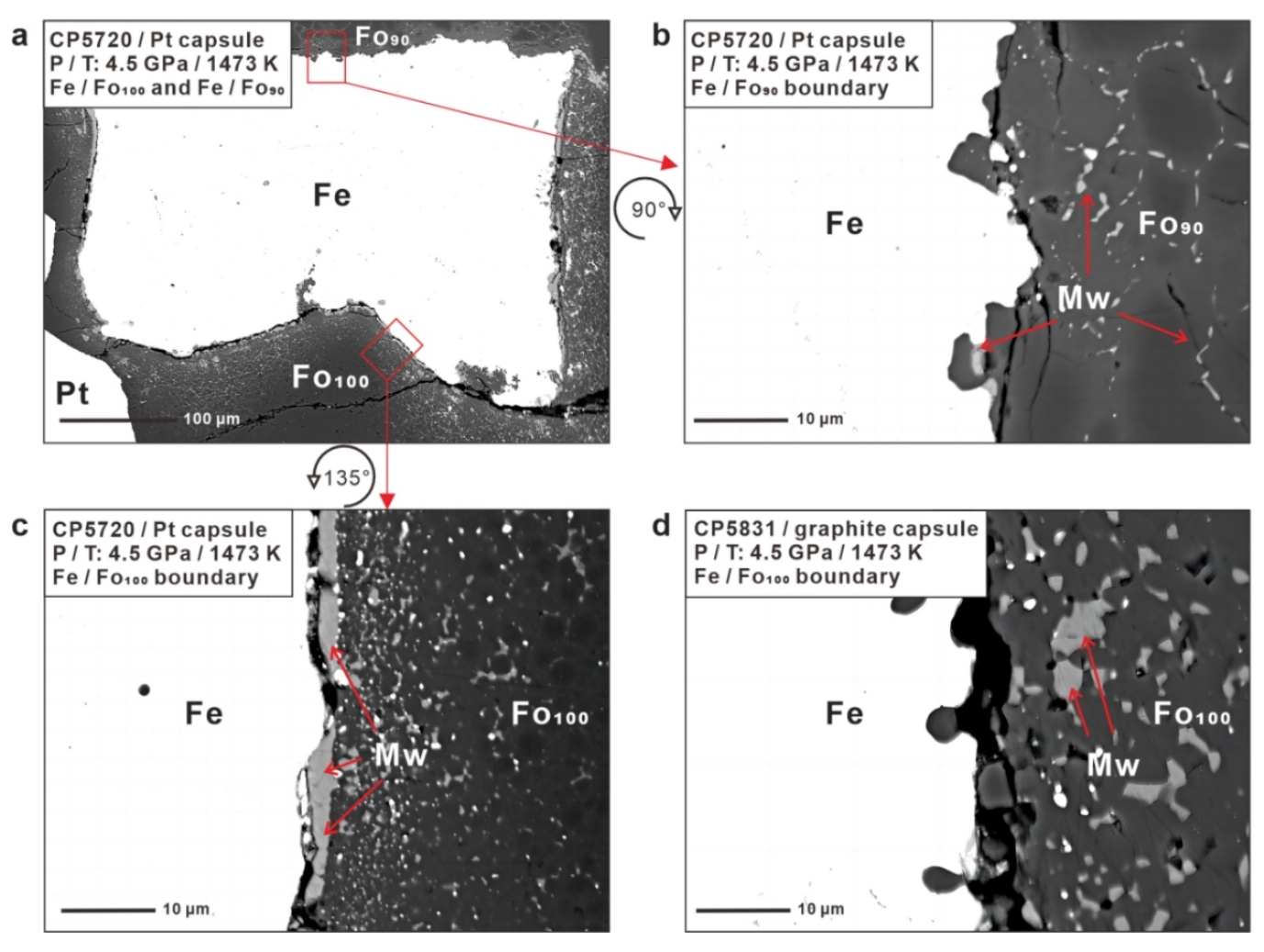
Reactive formation of magnesiowüstite at the lunar core-mantle boundary

High-pressure experiments and thermodynamic modeling show that iron-rich magnesiowüstite forms by reaction between lunar core iron and mantle olivine at core–mantle boundary conditions, explaining the Moon’s enigmatic low-velocity zone and linking core oxidation to planetary interior structure. The first author of the study is Qianzhi Xu from HPSTAR; the corresponding author is Yanhao Lin from HPSTAR.

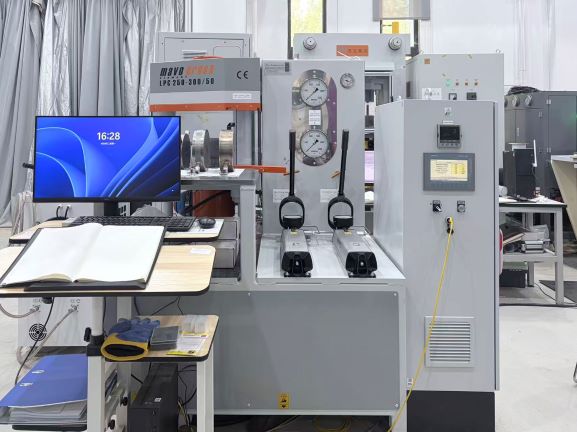
Pressure calibrations of large-volume presses at HPSTAR
High-Pressure Techniques

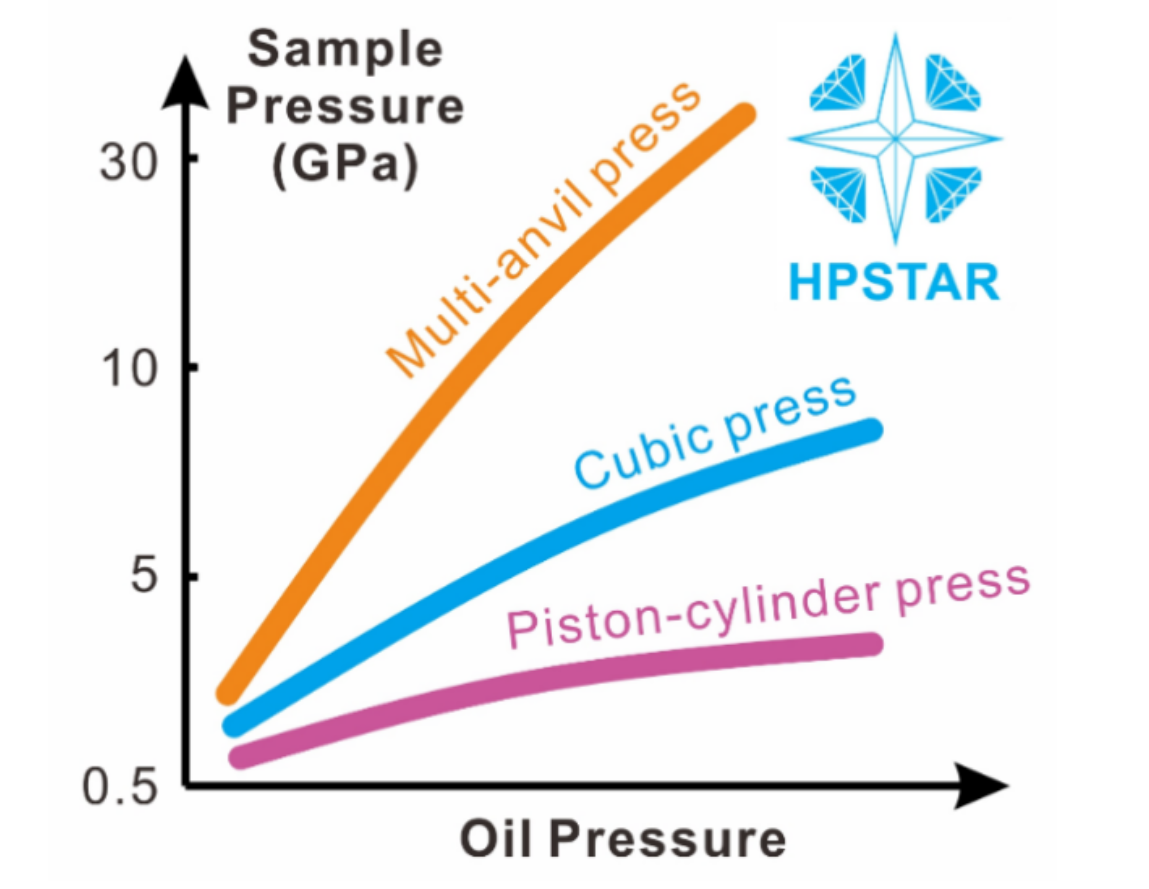
Pressure calibrations of large-volume presses at HPSTAR

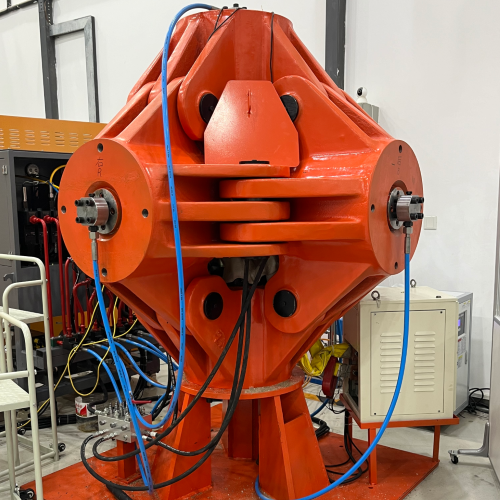
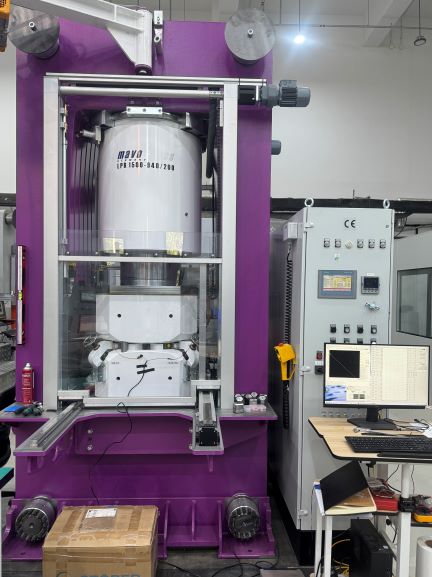
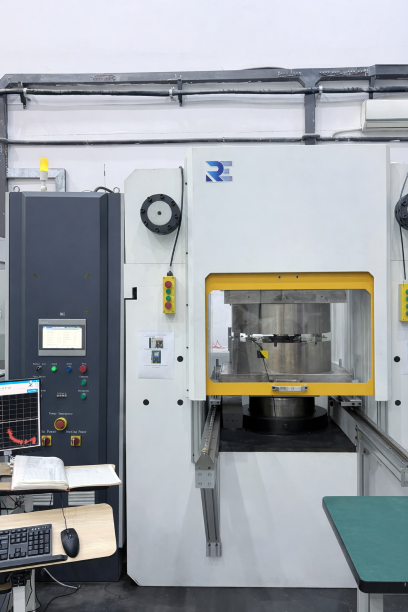
Through systematic pressure calibration of HPSTAR’s piston-cylinder, cubic, and multi-anvil large-volume presses, this work establishes a standardized reference framework that improves pressure accuracy, cross-laboratory comparability, and the reliability of high-pressure–temperature experiments in mineral physics, experimental petrology, and planetary interior studies. The first author is Dr. Yongjiang Xu at HPSTAR; the corresponding authors are Dr. Taihang Li and Dr. Yanhao Lin at HPSTAR.

Experimental evidence for a shallow cumulate remelting origin of lunar high-titanium mare basalts
Experimental Petrology

Experimental evidence for a shallow cumulate remelting origin of lunar high-titanium mare basalts

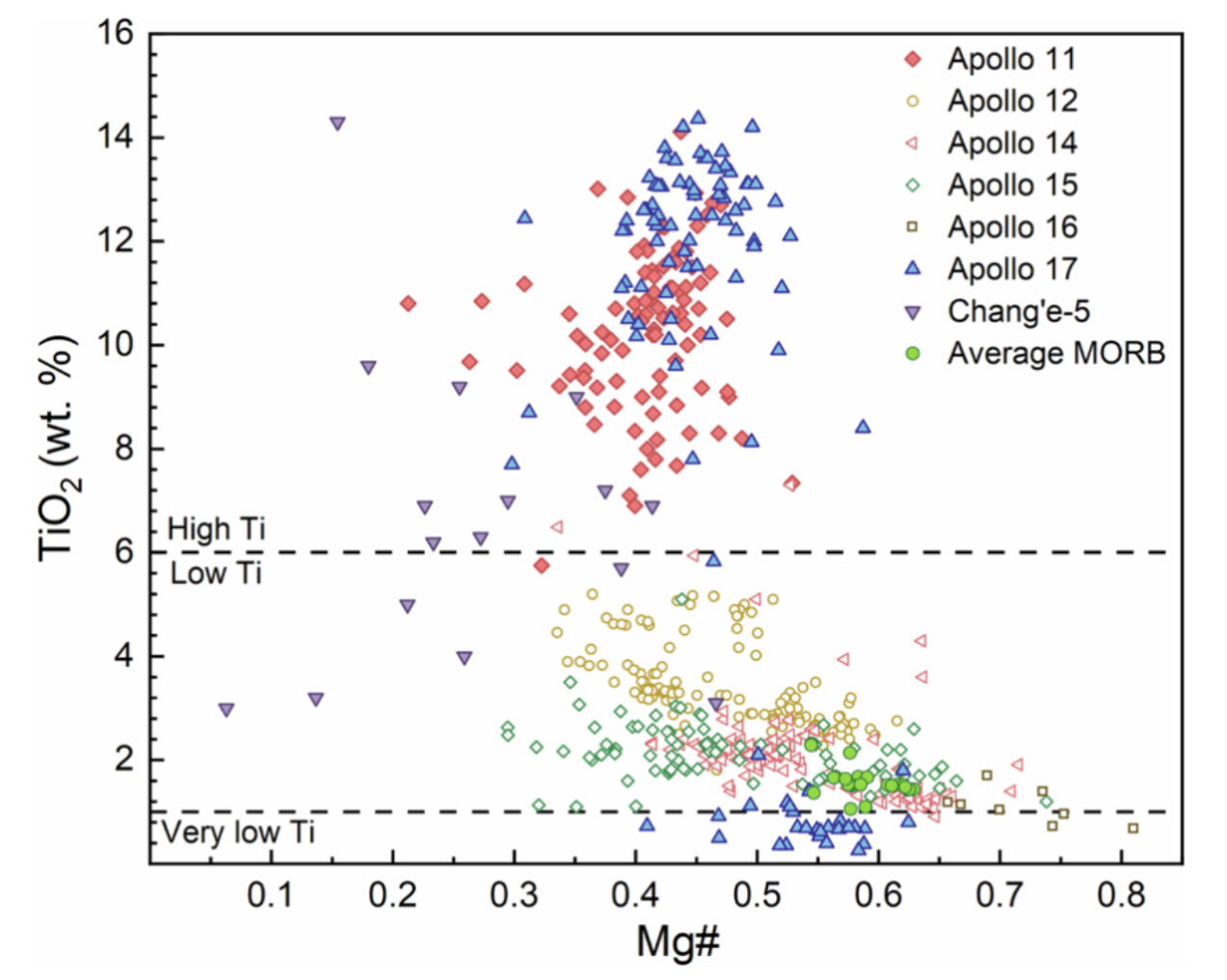
Using high-pressure experimental petrology, this study demonstrates that shallow remelting of ilmenite-bearing cumulates can reproduce the compositions of lunar high-Ti mare basalts, reducing the need for a deep mantle source and providing a coherent new model for Apollo basalt petrogenesis. The first author is Shuchang Gao, a joint master student at HPSTAR and the China University of Geosciences (Beijing); the corresponding author is Dr. Yanhao Lin at HPSTAR.

New insights into early Earth's crust evolution and phosphorus availability from zircon-melt partitioning experiments
Planetary Science

New insights into early Earth's crust evolution and phosphorus availability from zircon-melt partitioning experiments

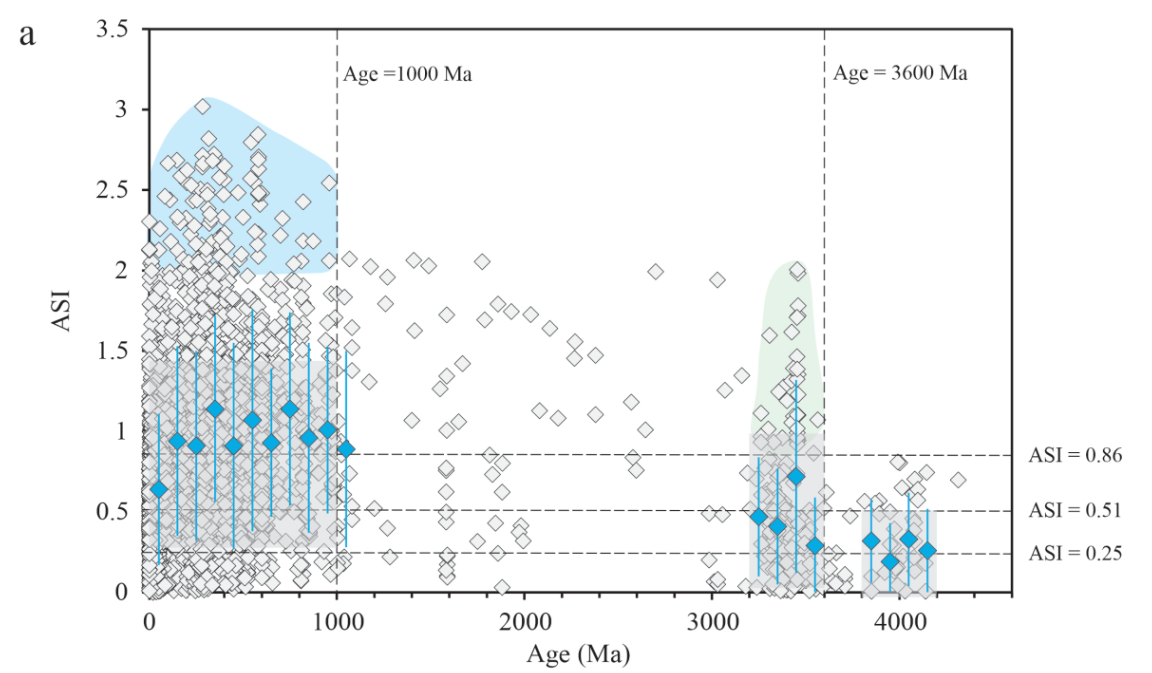
Zircon-melt partitioning experiments show that phosphorus strongly affects Al and Li incorporation into zircon, enabling improved reconstructions of Hadean magma compositions and phosphorus availability. The work supports aluminum-poor early crustal magmas with modern-like P levels, refining habitability models for early Earth. The first author is Dr. Sheng Shang, a postdoctoral researcher at HPSTAR; the corresponding author is Dr. Yanhao Lin at HPSTAR.

Melting at the base of a terrestrial magma ocean controlled by oxygen fugacity
Early Magma Ocean Evolution

Melting at the base of a terrestrial magma ocean controlled by oxygen fugacity

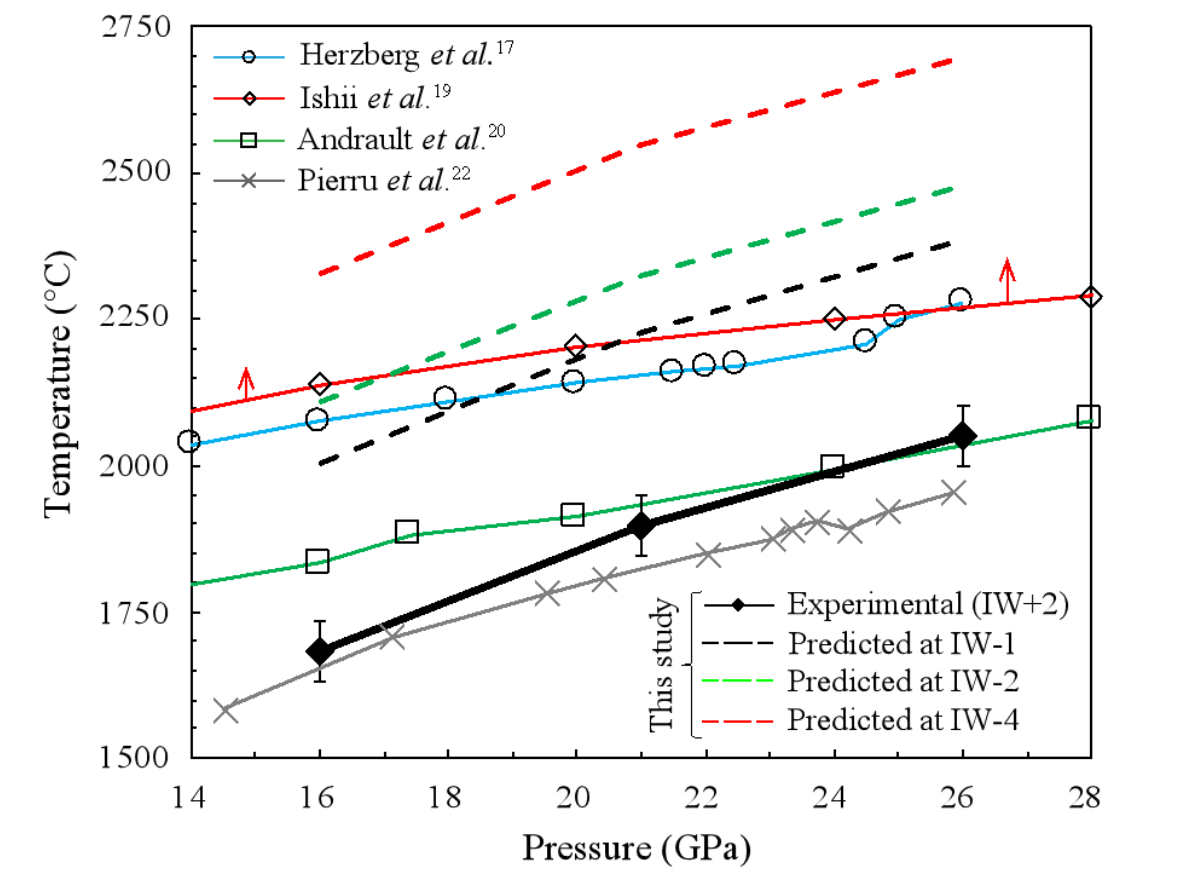
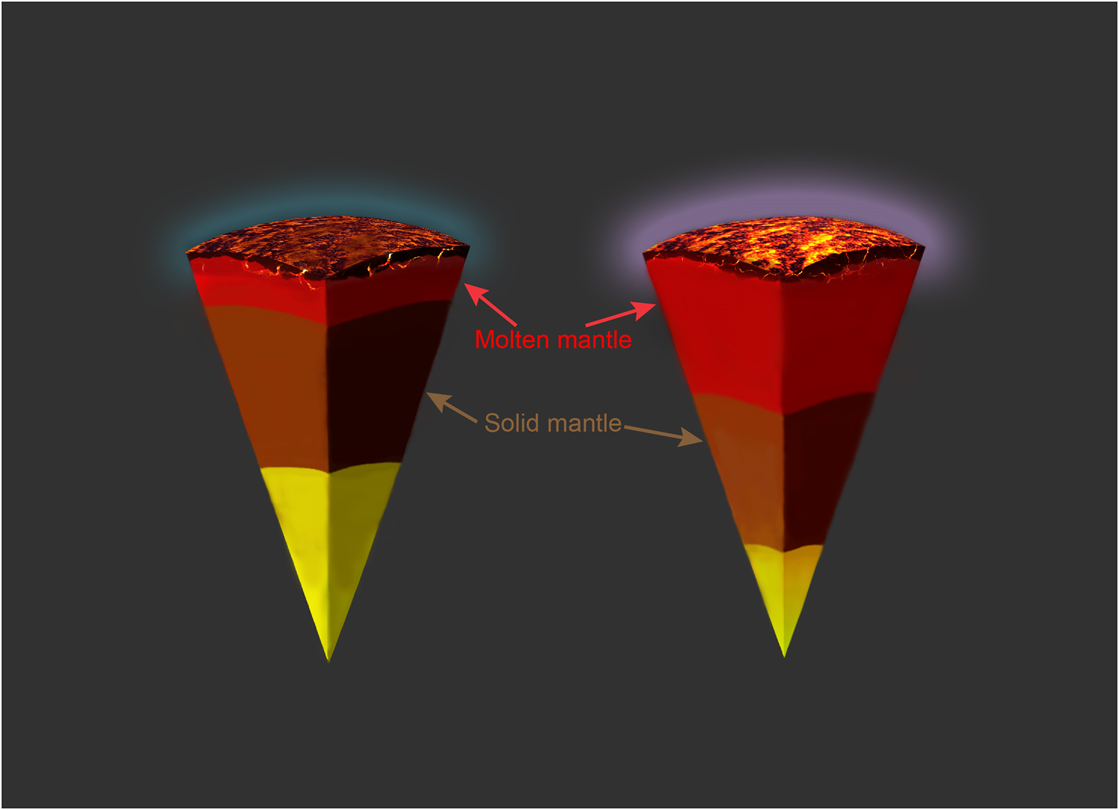
By measuring the pyrolite solidus at 16–26 GPa under high oxygen fugacity, this study quantifies how redox state lowers melting temperatures and deepens magma-ocean floors. The result links mantle oxidation to early Earth core formation, mantle differentiation, and thermal evolution. Yanhao Lin at HPSTAR and Takayuki Ishii at HPSTAR/Bayerisches Geoinstitut/Okayama University contributed equally as co-first authors; Yanhao Lin is the corresponding author at HPSTAR.

A diamond-bearing core-mantle boundary on Mercury
Planetary Science

A diamond-bearing core-mantle boundary on Mercury

Combining high-pressure experiments, thermodynamic calculations, and Mercury interior models, this study shows that carbon can stabilize a diamond layer at Mercury’s core–mantle boundary that thickens as the planet cools. The finding offers a new mechanism affecting Mercury’s heat transport, magnetic-field generation, and deep carbon storage. The first author is Dr. Yongjiang Xu at HPSTAR; the corresponding author is Dr. Yanhao Lin at HPSTAR.

Non-Henrian behavior of hydrogen in plagioclase-basaltic melt partitioning
Volatile Cycling

Non-Henrian behavior of hydrogen in plagioclase-basaltic melt partitioning

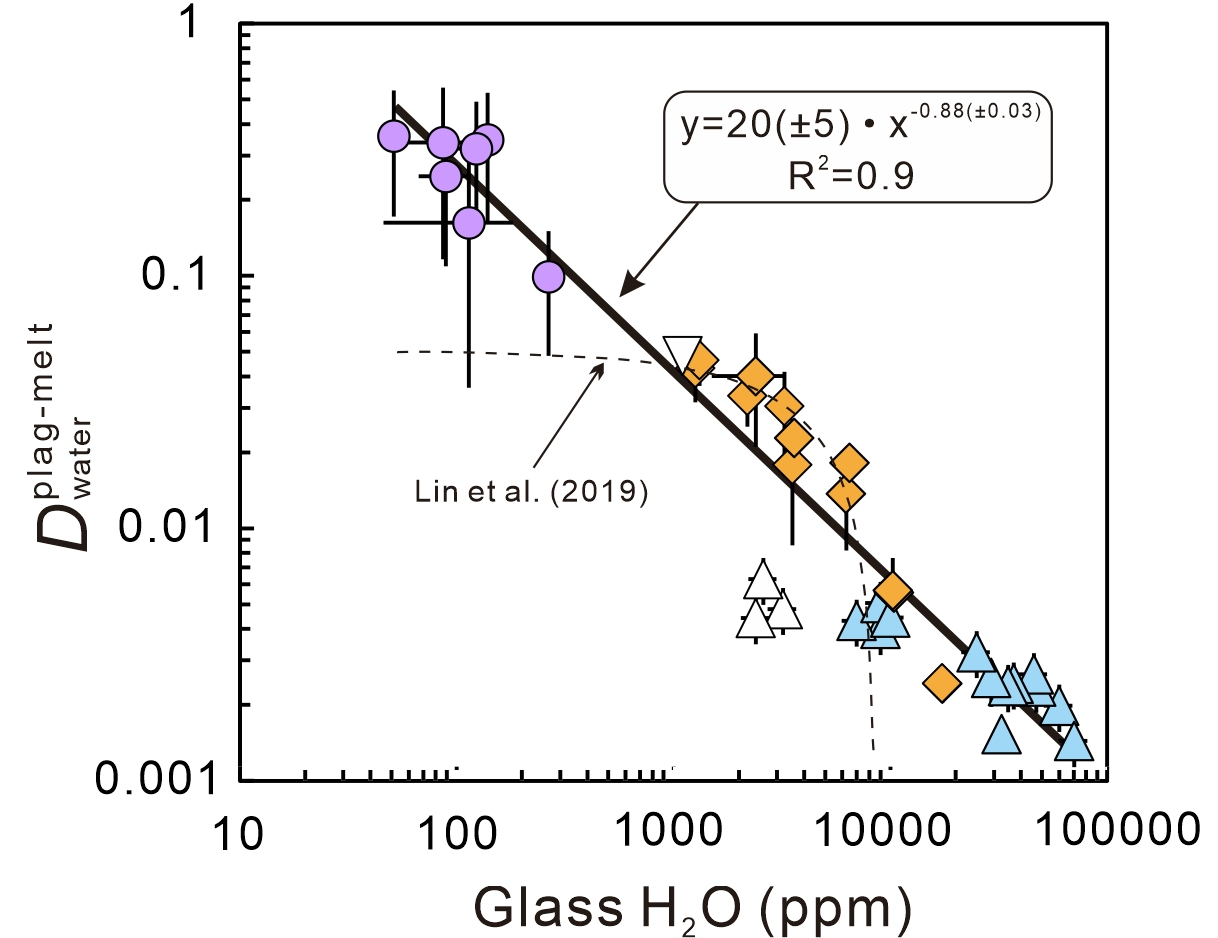
Under water-poor lunar conditions, this study quantifies hydrogen partitioning between plagioclase and basaltic melt and reveals strong non-Henrian behavior controlled by melt water content. The result provides a revised lunar hygrometer and suggests that the early Moon may have been drier than previously inferred. The first author is Dr. Yongjiang Xu at HPSTAR; the corresponding author is Dr. Yanhao Lin at HPSTAR.

A novel rapid cooling assembly design in a high-pressure cubic press apparatus
High-Pressure Techniques

A novel rapid cooling assembly design in a high-pressure cubic press apparatus

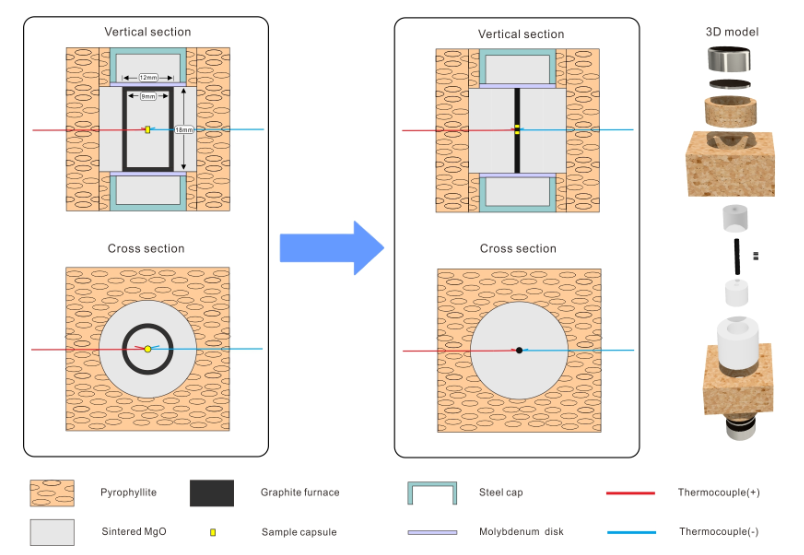
This work develops a rapid-cooling assembly for high-pressure cubic press experiments, substantially increasing quench rates and reducing quench textures in silicate glasses. The design improves preservation of volatile signatures such as H, C, and S, enabling more reliable constraints on Earth and planetary materials. The first author is Peiyan Wu at HPSTAR; the corresponding author is Dr. Yanhao Lin at HPSTAR.

Hydrous SiO2 in subducted oceanic crust and H2O transport to the core-mantle boundary
Volatile Cycling

Hydrous SiO2 in subducted oceanic crust and H2O transport to the core-mantle boundary

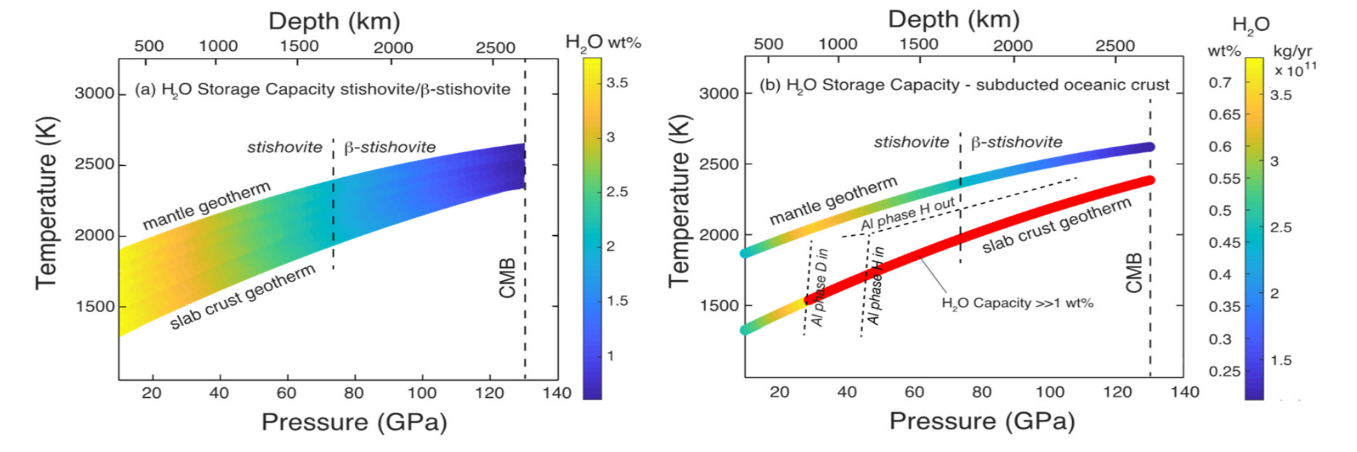
This EPSL study quantifies water storage in stishovite and post-stishovite within subducted oceanic crust, showing that dense SiO2 phases can retain substantial H2O from the transition zone to the core–mantle boundary. The finding identifies an efficient mechanism for transporting and storing water in Earth’s deepest mantle. The first author is Dr. Yanhao Lin at HPSTAR; the corresponding authors are Dr. Yanhao Lin, Dr. Qingyang Hu, and Prof. Ho-Kwang Mao at HPSTAR, and Prof. Michael J. Walter at the Carnegie Institution for Science.

Oxygen controls on magmatism in rocky exoplanets
Volatile Cycling

Oxygen controls on magmatism in rocky exoplanets

This PNAS study demonstrates that oxygen abundance fundamentally controls silicate melting in rocky planets and exoplanets: higher oxygen fugacity makes rocks melt more easily. The work elevates redox state from a geochemical parameter to a planetary-scale control on magmatism, differentiation, and crust formation. The first author is Dr. Yanhao Lin at HPSTAR; the corresponding authors are Dr. Yanhao Lin and Prof. Ho-Kwang Mao at HPSTAR.

Recruitment

Open Positions — LEAP Lab

Planetary Science & High-Pressure Research

PhD positionsPostdoctoral positions

Applications are invited for PhD and postdoctoral positions in LEAP Lab. Research focuses on planetary interiors, deep volatile cycling, and high-pressure experimental studies. Candidates with relevant backgrounds are encouraged to apply by submitting a CV and research statement.

Positions
PhD & Postdoctoral
Research Areas
Planetary interiors · Deep volatiles · High pressure
Materials
CV & Research statement
Apply or inquire
Send application materials to LEAP Lab.
yanhao.lin@hpstar.ac.cn

© 2026 Center for High Pressure Science & Technology Advanced Research - LEAP Lab

Address: No. 10 Xibeiwang East Road, Haidian District, Beijing, China | Contact: yanhao.lin@hpstar.ac.cn | Publications