
LASER
Laboratory for Advanced Spectroscopy at Extreme Regimes
Illuminating Science In Adamante
Our Mission
Pioneering Spectroscopy at High Pressures
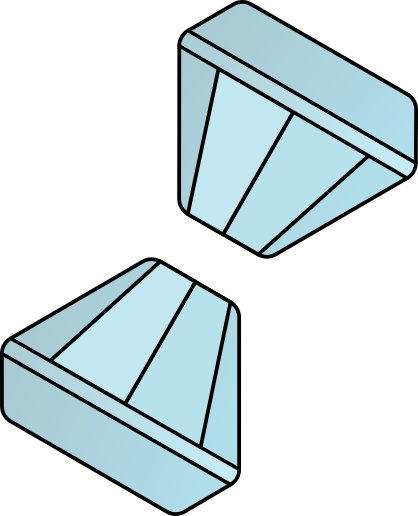
The mission of LASER is to establish a world-leading research program dedicated to the characterization of simple systems—with a particular focus on molecules and molecular mixtures—at the highest pressures achievable in a diamond anvil cell. Our core capabilities are built around state-of-the-art in-house optical spectroscopies, including Raman and infrared techniques, with a strong emphasis on pushing detection limits to enable routine measurements under even the most extreme conditions.
We are a consortium of scientists united by a common goal: to observe and understand exotic states of matter.
Students & Alumni
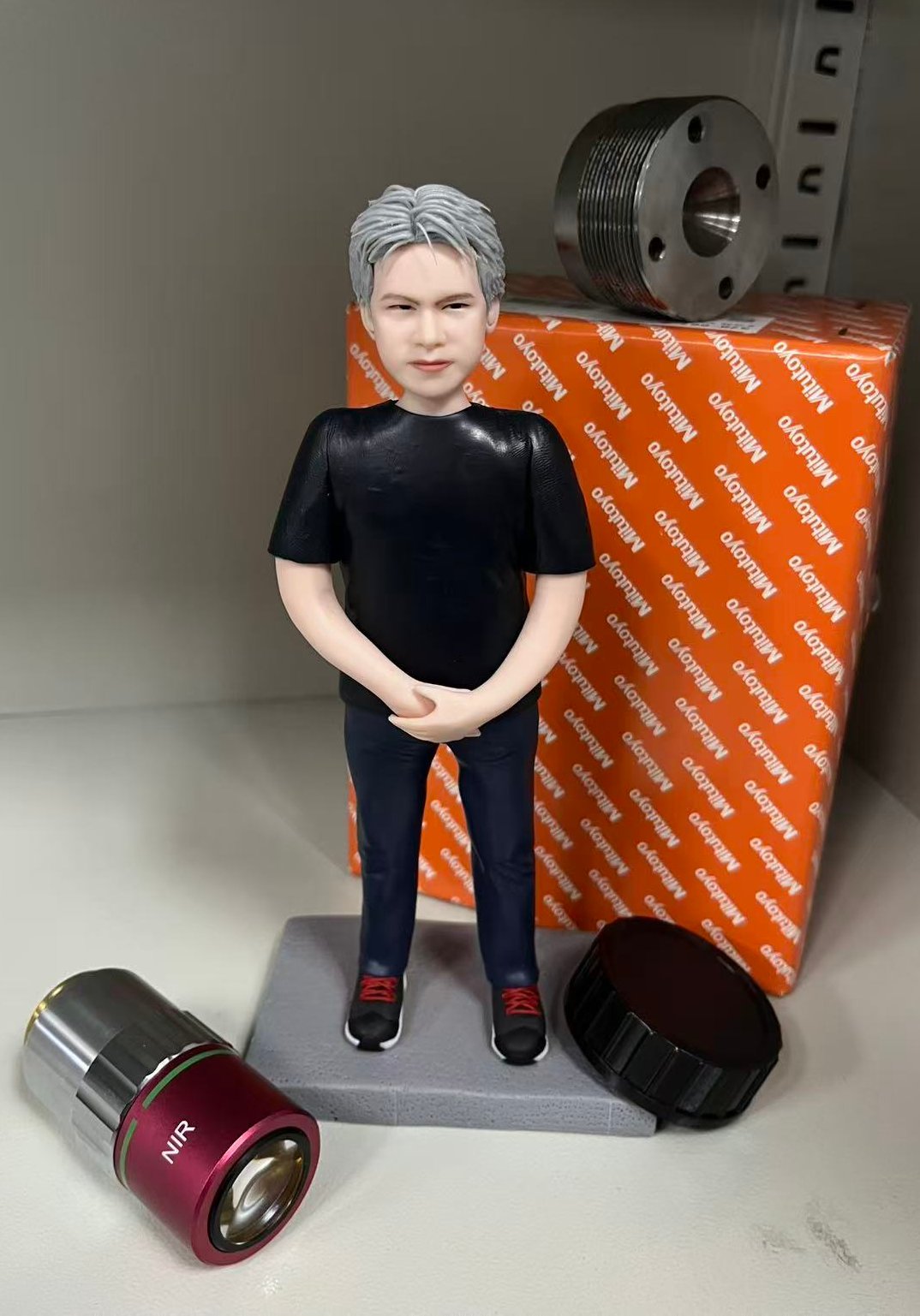
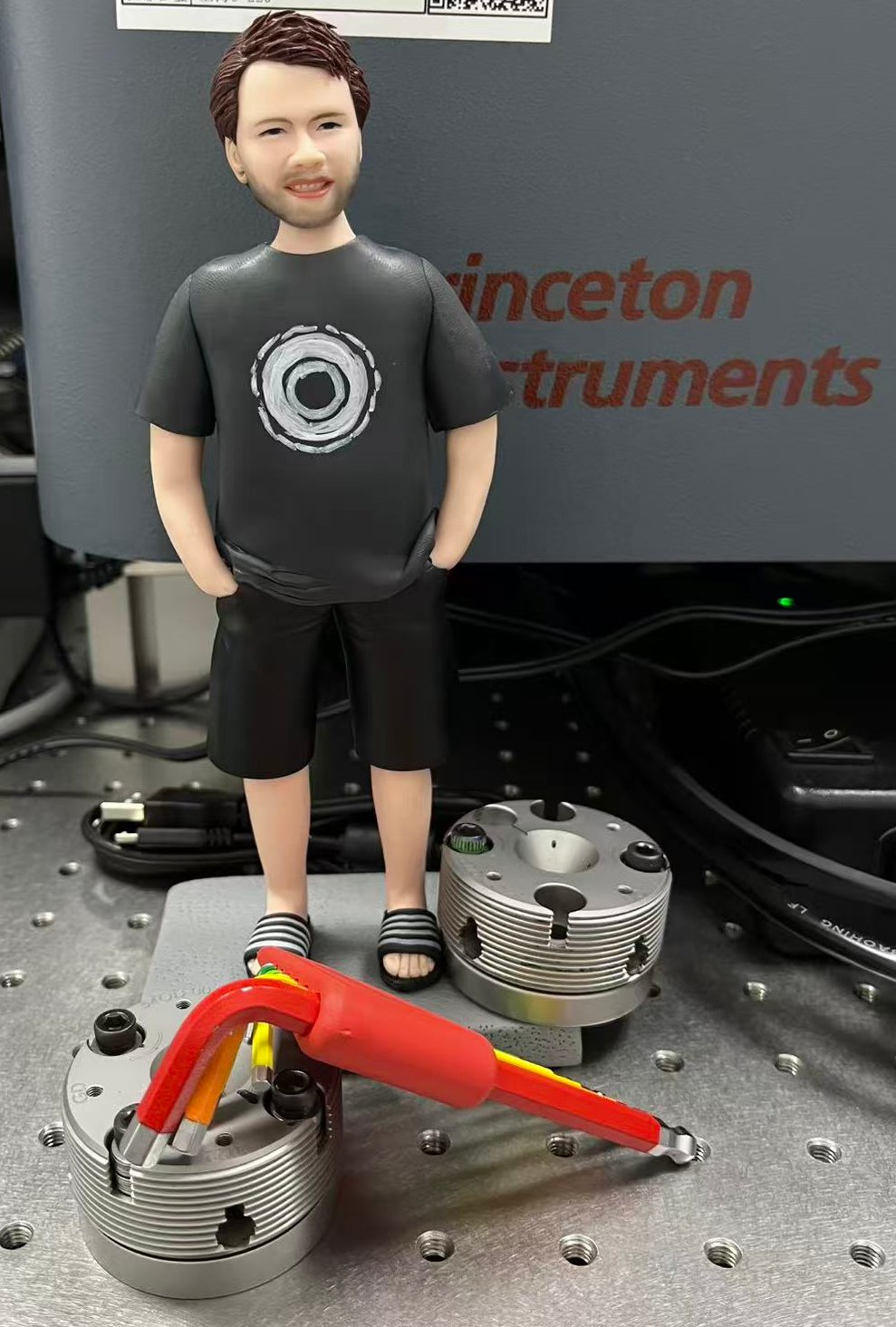
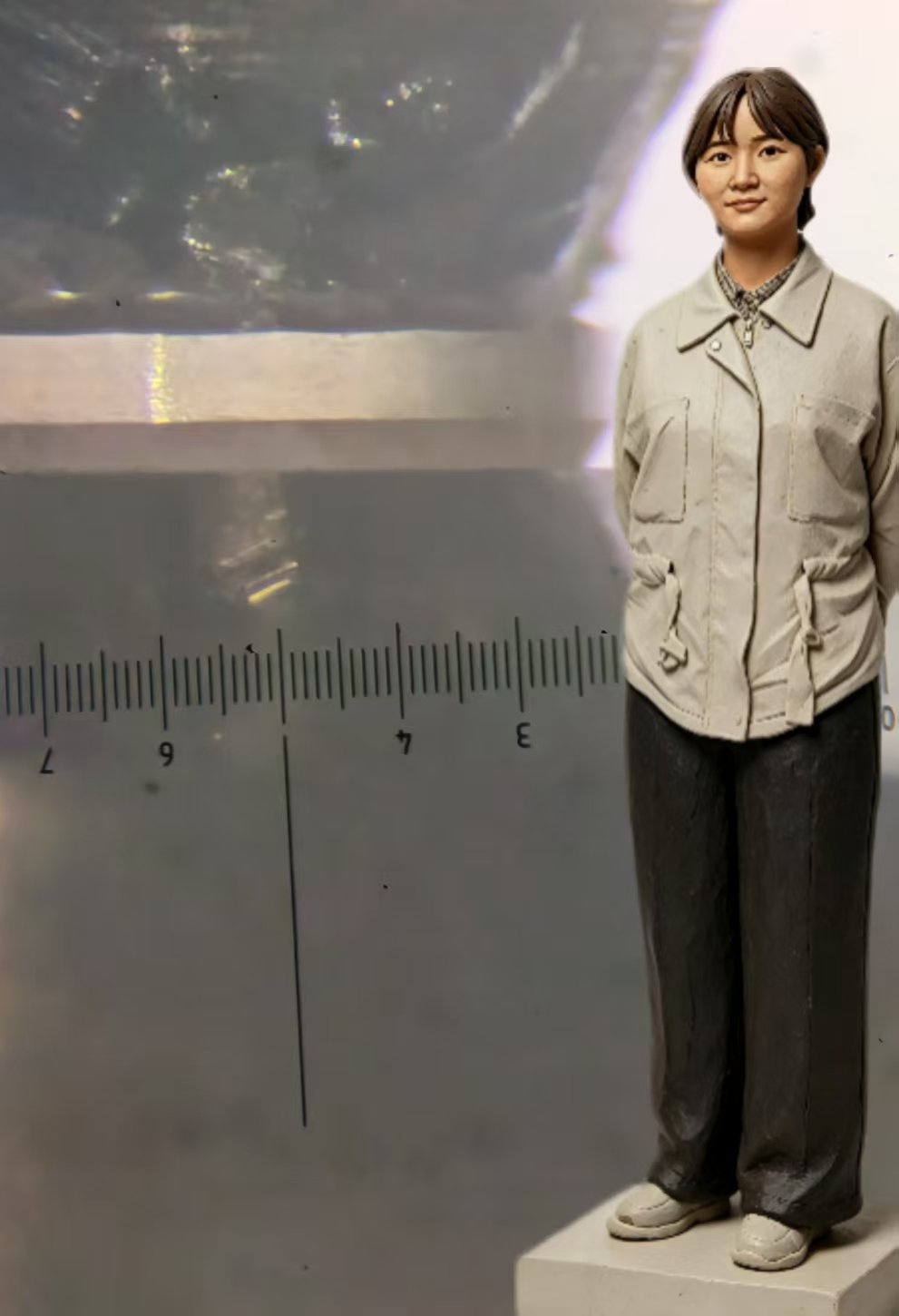
Miss. Jin Zhang (Masters Student)
Mr. Yuchen Ye (Fmr. Masters Student)
Dr. Huichao Zhang (Fmr. PDRA)
Dr. Jinwei Yan (Fmr. Doctoral Student)
Guest Scientists
Mario Santoro, European Laboratory for Non Linear Spectroscopy (LENS), Italy
Francesco Capitani, SOLEIL, France
Beatrice D'Alò, SOLEIL, France
Lillia Boeri, Sapienza Università di Roma, Italy
Tomasz Poreba, École Polytechnique Fédérale de Lausanne, Switzerland
Our Approach
Advanced Results Powered by Advanced Instrumentation
Since its inception in 2016, our lab has harnessed decades of experience to deliver peak performance for photon-starved experiments under the most challenging conditions.
Infrared Spectroscopy
Powered by a Bruker 70v interferometer, a customized vacuum chamber is employed to achieve atmospheric-absorption-free DAC infrared spectroscopy measurements from 5–300 K, with detectors optimized for every frequency range. A Bruker Hyperion microscope is also in place for routine measurements under atmospheric conditions.
Learn MoreCryogenic Loading
Pressurized cryogenic loading (our ALSS system) broadens the scope of systems loadable in a diamond anvil cell (DAC). The loading vessel allows gases to be condensed up to 100 bar at 0 °C or 10 bar at 77 K, enabling loading of systems such as CO₂, NH₃, SF₆, N₂, Ar, and O₂.
Learn MoreLow-frequency Raman Spectroscopy
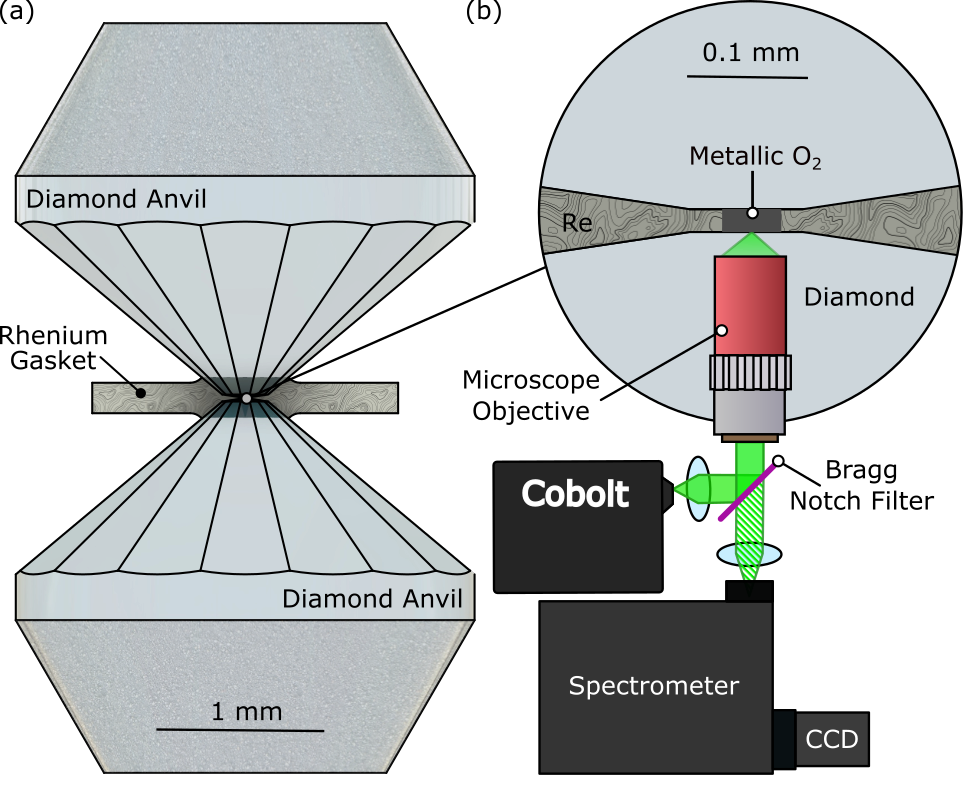
The heart of the lab, a Raman spectroscopy system with excitation wavelengths of 457, 532, 660, and 785 nm, achieves spot sizes down to 2 µm and frequencies as low as 5 cm⁻¹. Raman mapping is possible and accessible pressure-temperature conditions range up to 400 GPa and 5–1000 K.
Learn MoreOptical Vacuum Furnace
This vacuum furnace enables precise thermal control from 300 to 1000 K while vacuum conditions prevents oxidation. Critical in mapping of phase diagrams, chemical stabilities and high-temperature chemistry.
Learn MoreElectronic Properties
Powered by a Keithley 6220 current source and 2182A nanovoltmeter in a van der Pauw arrangement, resistances as low as 1 microohm are achievable—critical for confirming superconducting transitions and characterizing the electronic properties of metals.
Learn MoreLaser Heating
10.6 µm and 1064 nm laser heating is possible, allowing for the heating of a wide range of samples to temperatures in excess of 3000 K. This capability is pivotal for the use of superhydride synthesis under extreme conditions.
Learn MoreResearch Interests
We are interested in studying simple systems at extreme regimes.
Quantifying Superconductivity
Unveiling high-pressure superconductivity: where electronic measurements meet spectroscopy.
Peering into Jovian Planets
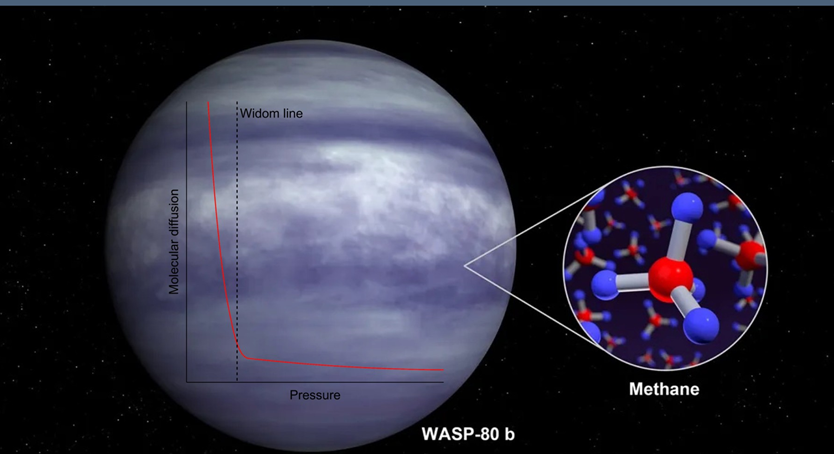
Recreating Jupiter's core on Earth in a diamond anvil cell.
Exotic Metals
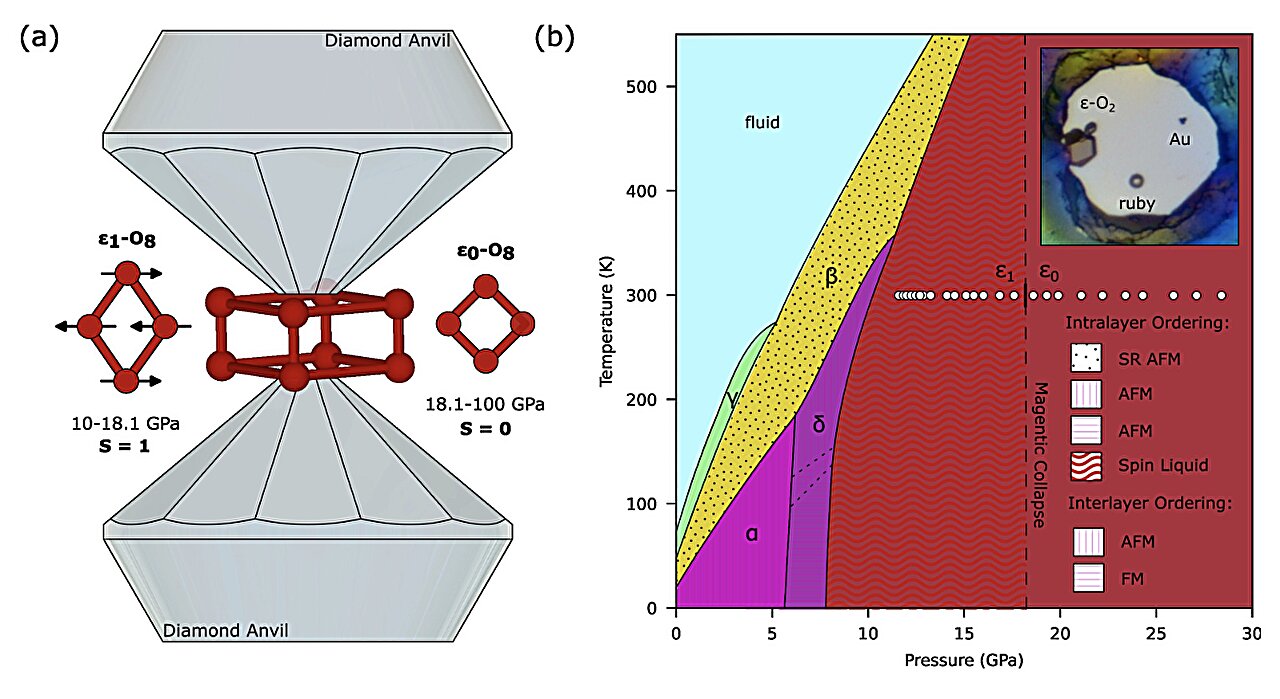
Turning ambient gases like N₂, O₂, and H₂ into dense metals — exotic states with disruptive potential.
High Pressure Polymers
Forcing the unbreakable: how pressure sculpts exotic polymers with recoverable potential.
High Pressure Chemistry
Extreme pressure, extreme chemistry — the DAC as a search engine for next generation materials.
Quantum Systems
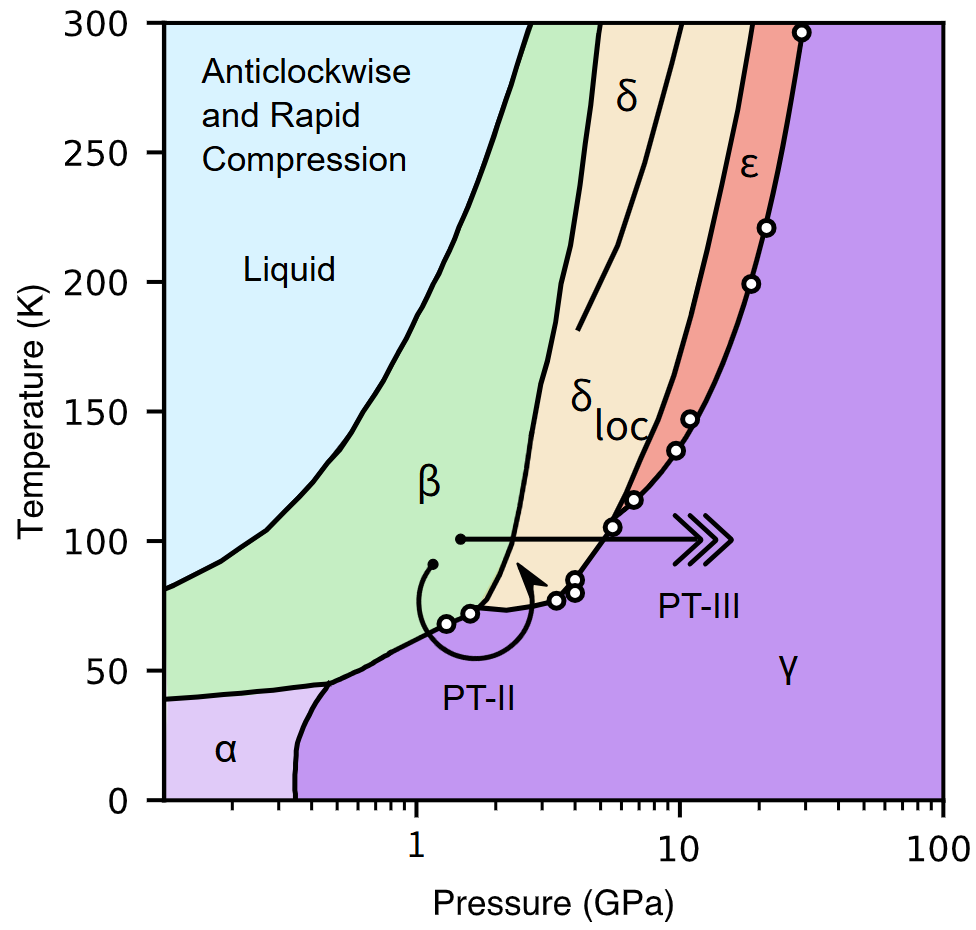
Pushing hydrogen to its breaking point — where quantum complexity reveals itself.